A Construction Labor Vacuum
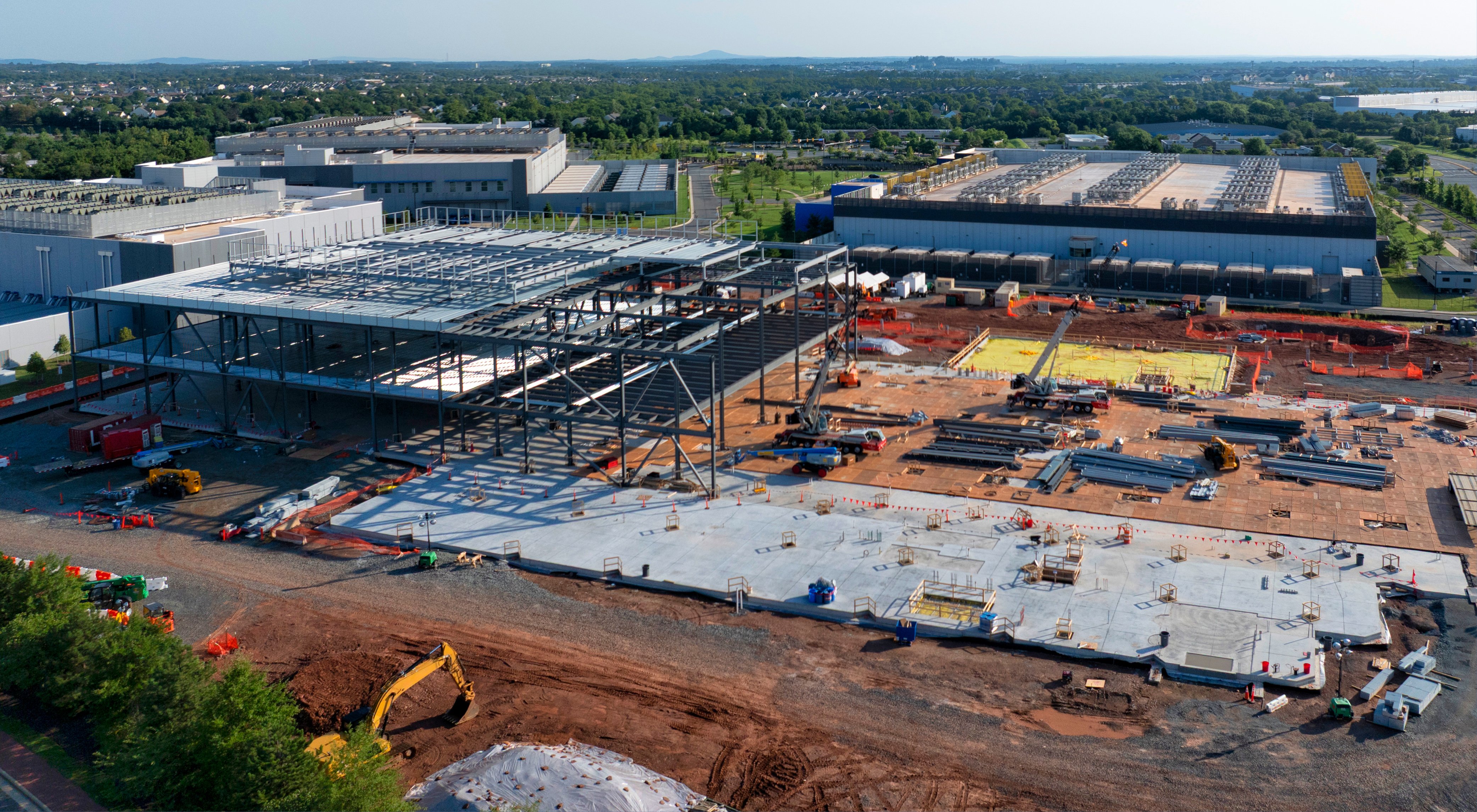
The building of massive data centers is reshaping the American construction landscape, pulling skilled tradespeople out of traditional sectors and into emerging high-tech geographic hubs. An unprecedented movement of labor to large-scale projects in the Midwest and other regions is creating a geographic imbalance, depleting local talent and forcing construction firms to import specialized workers from across the country. This structural change is driven by private-sector investment in AI infrastructure, moving at a speed that the labor market cannot physically sustain.
“The scale of these projects is the primary driver,” said Nick Asterito, VP, Underwriting Leader – Construction, QBE North America. “A single hyperscale data center campus can require thousands of specialized workers, a demand that absorbs the available workforce in a community almost immediately.”
To secure the workers needed, construction firms are offering wage premiums. For certified electricians and mechanics nationwide, these long-term, high-paying contracts represent a rare opportunity to earn significantly higher wages, drawing them away from traditional projects in their own hometowns.
As the workforce surrounding these hubs is fully absorbed, construction firms pull even more workers from other regions, particularly from areas facing power constraints or slowing economic activity. This draws thousands of transient industrial workers away from their home regions to emerging centers, often reorganizing local economies around digital infrastructure. This concentration of talent in a few specific locations leaves traditional builders across the rest of the country struggling to fill critical roles.
For commercial developers and construction firms, the impacts are severe. A developer trying to build a retail center or an office building simply cannot outbid a project where even a short delay results in catastrophic revenue losses for the operator.
“High-margin data centers often monopolize resources,” said Asterito. “As a result, retail, office and other commercial projects may struggle to compete for the workers and resources they need to stay on schedule.” According to the Associated Builders and Contractors (ABC), the industry needs to attract an estimated 349,000 net new workers in 2026 to meet the demand for construction services.
The eventual construction and completion of data center campuses creates another challenge, however. When the AI infrastructure projects conclude, the local community often faces an employment drop-off as transient crews leave. The region is then left with a weakened economy that was artificially inflated to support a temporary population that has suddenly vanished.
Moreover, workers who have spent years specializing in data center systems may find their skills do not translate back to standard commercial or residential work, forcing them to continue moving from one large-scale project to the next.
To address these structural challenges, industry leaders are shifting from reactive hiring to proactive workforce development by creating collaborative ecosystems. In these models, tech giants and general contractors co-design curricula with educational institutions to target the specific needs of the data center sector. By embedding these training centers within the regions where data center hubs are located, firms can build a stable, local talent pool that is less likely to leave once the initial construction phase ends.
Beyond traditional training, the industry is leveraging advanced technology to reduce its dependency on a scarce physical workforce.
“Technology is becoming an important part of the workforce equation,” said Asterito. “Digital modeling, AI-enabled project management and off-site manufacturing allow construction teams to manage larger, more complex projects with fewer people. This technological shift not only addresses the immediate labor shortage but also establishes a more modern, efficient standard for future projects.”
To mitigate the risk of long-term economic decline after the construction peak, some regions are implementing sustainable growth policies. These mandates require data center developers to invest in broader local infrastructure, such as utility grid upgrades, public amenities, or renewable energy projects that provide lasting benefits to the entire community. By tying digital expansion to tangible local improvements, these strategies aim to foster resilient, self-sustaining economies that can thrive long after the transient construction crews have moved on.
The scale of the current labor migration is a historic disruption that has forced the construction industry to reinvent its fundamental processes. By combining localized workforce training and advanced digital management with community-focused investment policies, developers are attempting to stabilize a volatile market. The long-term success of this expansion depends on the industry’s ability to move beyond a temporary vacuum effect and establish a sustainable model where high-tech growth and regional economic health can coexist.