Key considerations in making Asia’s property sector more resilient
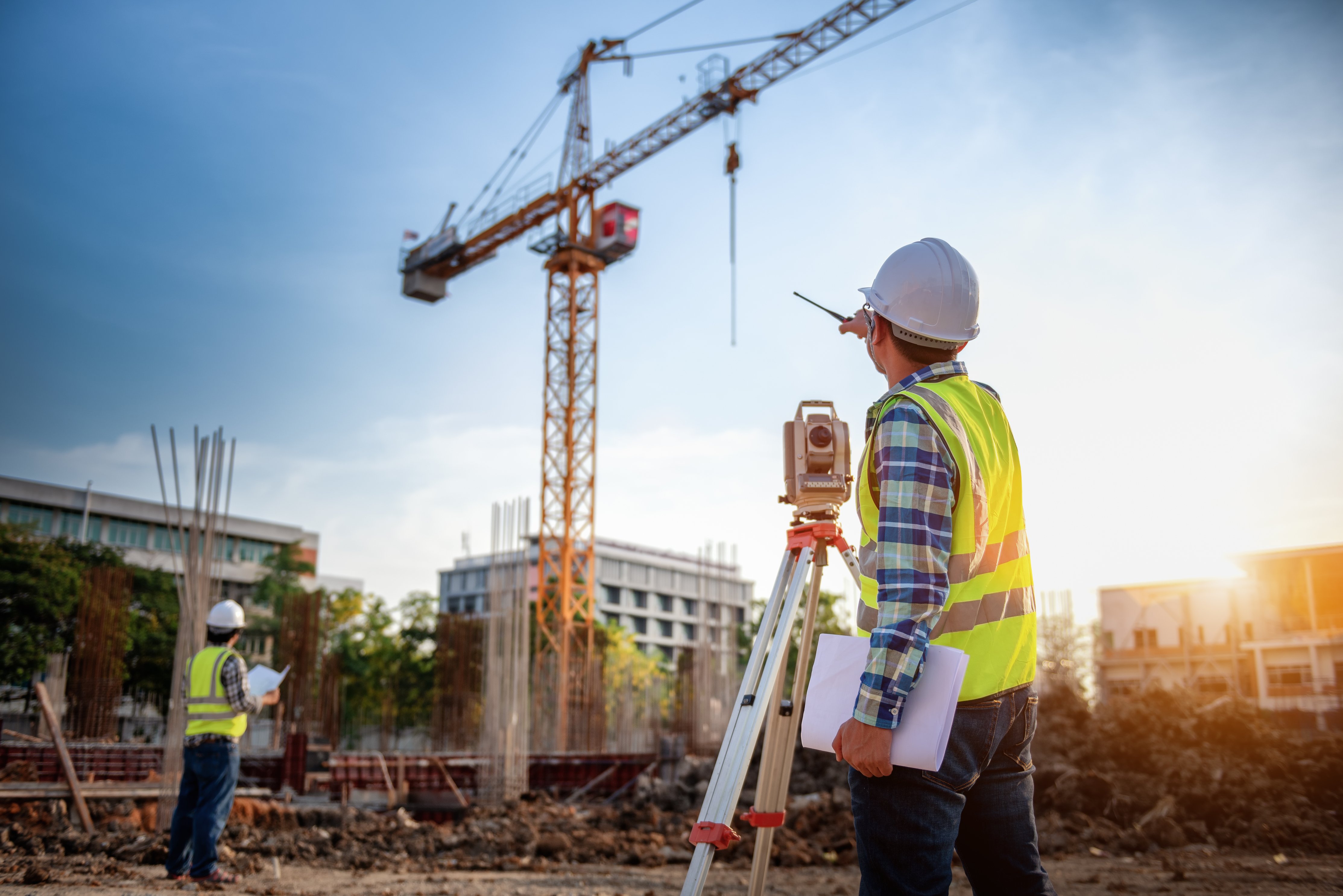
Standards, best practices and the right insurance coverage can significantly strengthen the resiliency of buildings, especially with the advent of novel risks
This is in addition to those that are already built and form part of the region’s many megalopolises that collectively house billions.
Whether commercial or industrial properties, the building and construction market is rapidly evolving in terms of design, functionality, and owner and tenant demand. In the residential property segment for instance, home dwellers are increasingly requesting eco-friendly building materials and furniture, as well as smart home technologies that enable them to control their homes remotely — some of which may be untested in terms of health and safety, and reliability.
Likewise, office-based businesses continue to embrace hot desking and novel layouts that are unusual and focus on present day preferences and aesthetics. While in manufacturing, companies are increasingly relying on automation and robotics to perform tasks that not so long ago were operated by humans. All of these changes and many, many more are creating new risks. Yet seldom do owners and tenants take the time to think about the new dangers that they and others that frequent these buildings now face.
What risks, both old and new, must they consider today; and what solutions exist to mitigate these?
Malls, hotels and hospitals
Asia’s commercial property sector is awash with such risks. In the retail segment, malls are increasingly allowing non-retail activities to set up shop — whether that’s gyms, live events or playgrounds, these can be challenging to run safely if the floorspace is not configured correctly. Conversely, some retailers seek non-traditional spaces to set up shop. In both instances, retailers rely on pop-up stalls powered via cables linked to electricity sockets usually found many metres away. These wires, usually protected by duct tape, often experience thousands of people walking on them every day, as well as heavy trolleys, and are prone to damage and potential fire outbreaks.
Similarly in the hotel sector, Asia’s boom in tourism has led to a slew of unconventional accommodation. In Japan for instance, hoteliers are seeking new and novel spaces, including former prisons. Many of which require significant retrofits including the installation of sprinklers and power sockets. If both aren’t installed correctly, this is also a significant fire threat.
Even properties that are typically built and operated more robustly like hospitals encounter sizeable risks. Many hospitals site high-end heavy equipment like MRI scanners in their basements, which are prone to flooding. Not to mention a myriad of other highly sensitive electronic equipment. This is a looming problem, given today’s increasing frequency of tropical storms and heavy rainfall. In 2024, some 121 Malaysian healthcare facilities were affected by flooding, for example.
Office and event spaces
The above risks are equally as relevant to offices. The younger workforce’s preference for open work spaces intertwined with entertainment areas, kitchens and dining areas, as well as modern novel décor, creates risks as well, not least a lack of compartmentalisation that can restrict fire spread. In some markets like Japan, tenants prefer smooth, clean wooden walls, yet often the wood intended to line these spaces isn’t fire resistant, and might easily catch fire — especially when fitted near recurring heat, or in front of wiring and electrical components.
The range of risks aren’t limited to building design. External threats loom as well. For example, venues that are used for conferences and exhibitions spaces must ensure that attendees enter and exit safely. Yet increasingly, the MICE industry is using unconventional and novel spaces that may not allow for attendees to visit with ease, leading to crowd surges and potential crushing. Furthermore, some Asian markets regularly experience strikes and civil commotion. Building operators should be prepared for acts of vandalism that often accompany these events.
Then there is the issue of earthquakes. Recent events in Southeast Asia remind us that very few countries across this continent are free of seismic activity. As such, buildings must be built to withstand these, adhering to seismic building codes where applicable.
Industrial facilities
Fire, flooding, earthquakes and so forth are noteworthy threats for industrial properties as well. Across factories, warehouses and other industrial plants, businesses are increasingly relying on automation and robotics to carry out a whole host of tasks. However, when these machines falter, production can be interrupted for several days or weeks, with many such businesses having to rely on specialist technicians and components from other markets.
For cold chain facilities where goods must be kept chilled or frozen, malfunctioning equipment can cause severe financial losses as well as danger to human health, especially with regards to the storing of items like food and medicine. Fire hazards will be greatly increased where EPS (expanded polystyrene) sandwich panelling is used. Hazardous materials like flammable liquids and gases must also be kept and disposed of correctly, as these too may pose sizeable health risks.
Facilities that include lithium-ion batteries, like data centres, must be monitored and managed robustly. The past few years have seen multiple data centre fires from Singapore, to India and South Korea, where in many cases, facilities were completely destroyed. An additional concern for semiconductor builders is upheld inventory. Stock held for long periods of time will become faulty due to material depletion. Also interruptions to the manufacturing process, such as emergency shutdowns and blackouts, can destroy high quantities of stock. Both can result in huge financial losses.
The above are a mere handful of the risks threatening businesses that build or occupy industrial and commercial properties. With the goal of making their properties and businesses more resilient, how should they respond?
Standards and best practices
During construction, building owners should adhere to the highest of building codes and standards. In some markets, this is linked to building and construction regulations. In other markets, where such rules are nascent or incoherent, advice from property risk professionals should be sought to ensure a building is resilient to a myriad of risks. Such people will be able to advise on a wide range of considerations, from building materials to equipment and wiring, use of technology, and design. Construction also requires State input to ensure building codes are up to date, and applicable to new materials and technology.
Once buildings are operational, tenants must ensure that all machinery is satisfactorily installed and tested, and poses zero threats to property and the people that work there. Regular, ongoing testing and inspections by qualified personnel will spot anomalies should they appear. A further measure is contingency planning. Should a piece of equipment become faulty — or worse, a property experiences flooding or a fire — businesses should have a plan on how to manage these incidents once they occur, and put in place measures to get the business up and running as quickly as possible.
Both owners or tenants should also make sure that all staff are appropriately trained to spot, mitigate and manage these risks as they evolve, and stay up to date on best practices in these areas. There are numerous initiatives and associations that support owners and operators to assess property risks. One such option is the Building Resilience Index tool, or BRI, from the International Finance Corporation (IFC), part of the World Bank, which provides location-specific hazard information pertaining to natural catastrophes and climate change risks, as well as resilience advice.
Earlier this year, the IFC signed a collaboration agreement with QBE Asia to advance building resilience and address the region’s property insurance gap. The tie-up centres on the BRI, while advancing resilience awareness and capacity building, insurance product innovation, and technical integration between the index and QBE’s risk modelling tools and assessment capabilities.
Role of insurance
Beyond QBE Asia’s partnership with BRI, the insurance industry as a whole is playing a key part too. For builders, construction and property all risks policies, also known as Contractors' All Risks (CAR) insurance, protect construction projects against incidents like accidental damage, natural perils, and third-party liabilities, across both materials and structures. For operators and tenants, erection all risks (EAR) insurance covers the construction and installation of industrial equipment; protecting these firms against physical loss and damage while the machinery is being assembled.
Complementing this coverage are numerous polices that must either be considered or taken out once the property is in operation. These can include general liability insurance, work injury compensation insurance, building risk insurance, CAR insurance, and commercial property insurance among many more, depending on the type of company seeking coverage.
Beyond the provision of policies, there is a role for the insurance sector to advise property companies about current best practices and standards, as well as provide examples of incidents that caused losses or near misses — to help property companies and tenants better manage their risks, and make them more efficient and safer.
Indeed, insurance companies like QBE have a responsibility to make the property and construction sectors more resilient to the myriad of risks they face. To this end, QBE rewards companies that are taking measures to be more resilient in the face of established and emerging risks, by prioritising projects that have taken measures to mitigate these.
My colleagues and I will be attending multiple events in the region and in many instances, we’ll be speaking about the topic of building resiliency. In the meantime, to exchange views on this subject, drop me a comment below and I will get back to you.