Climate-ready emergency planning with the British Red Cross
Across the world, the impacts of climate change are becoming clearer. According to the UK Met Office climate projections, we are expected to see: warmer and wetter winters, hotter and drier summers, and more frequent and intense weather extremes. In the UK there has been a significant increase in the frequency and severity of flooding, and this is expected to continue as a result of more intense rainfall and rising sea levels.
Since 2023, the QBE Foundation has supported the British Red Cross to meet the changing climate needs in the UK. QBE’s support has enabled the British Red Cross to be better prepared, cope with, and recover from the impacts of the changing climate. Between 2020 and 2024, the British Red Cross has responded to over 200 severe weather and flooding events in the UK.
Climate Change Risk Assessment & Local Climate Change Risk Toolkit
Through QBE’s support, the British Red Cross was able to work with AtkinsRéalis, experts in climate risk, to conduct a thorough Climate Change Risk Assessment on a national scale.
The assessment helped to develop tailored resources for British Red Cross Emergency Response staff and volunteers, to support them to identify and assess local climate change risks. One of the tailored resources is a Local Climate Change Risk Toolkit, to enhance teams’ ability to manage capacity and resources locally. The toolkit empowers the crisis and emergency staff and volunteers to:
- Identify and prioritise climate risks in their local area through an ‘urgency scoring’ method that underscores the immediate needs of those affected.
- Design locally led adaptation actions, both physical and emotional, to foster resilience within neighbourhoods.
- Assess vulnerabilities by using resources like heatwave personas which were created based on health, economic and social factors.
- Evaluate the effectiveness of interventions through a Monitoring, Evaluation, and Learning process.
How the toolkit has helped communities in Cornwall
The toolkit is helping to protect vulnerable communities across the UK. For instance, Carney, UK Community Resilience Development Lead, utilised the toolkit to implement appropriate actions within the community in Cornwall.
“Through the vulnerability index, we identified two communities in Cornwall that had been hit by severe weather and high levels of loneliness, being cut off from support networks due to severe weather and there was a threat of coastal erosion,” Carney explained.
The teams identified that the communities had some level of resilience from their past experiences and collaborated with them to address remaining preparedness gaps to ensure readiness for future disasters.
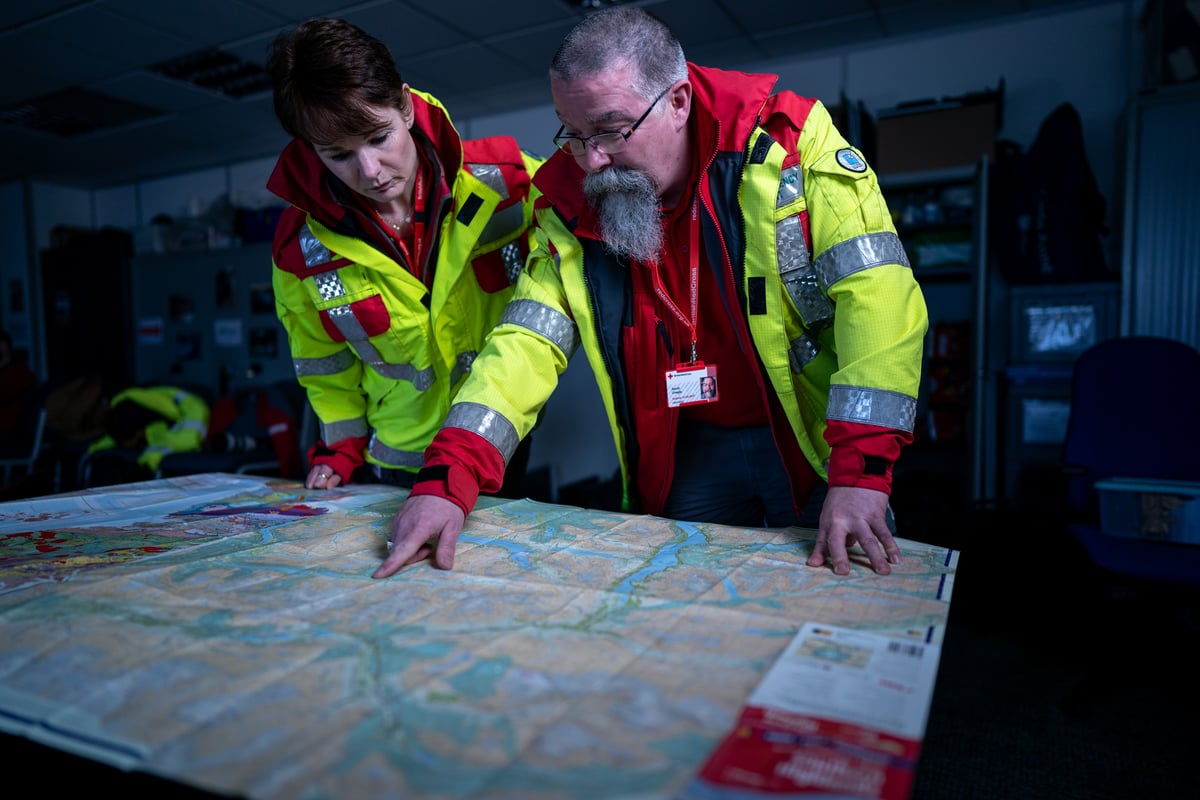
Image: Peter Summers/British Red Cross
How the Climate Change Risk Assessment informed actions on heatwaves
Flooding, storms, and heatwaves were identified as major risks across the UK by the Climate Change Risk Assessment. The British Red Cross used this information to create resources to assist the public and vulnerable individuals during heatwaves.
Overheating Adaptation Guide for Homes:
The British Red Cross commissioned Shade the UK to create an Overheating Adaptation Guide for Homes. This guide is crafted with care to help residents — both owners and renters — understand the various overheating mitigation measures available. The guide includes 44 measures people can consider for their homes and is designed to protect them, their neighbours, and their loved ones from the devastating impacts of heat. Measures include planting trees for natural shade; installing shutters and buying energy efficient appliances. This guide has been positively received and shared widely on social media platforms and is publicised on the Shade the UK website.
Heatwave Personas:
In 2024 the British Red Cross developed eight personas, a tool to help staff and volunteers identify the most vulnerable people, such as pregnant people, older people, and those with chronic health conditions. These personas are being used in scenario exercises and workshops for staff and volunteers.
The development of climate ready training
The Climate Change Risk Assessment highlighted the vital need to improve the preparedness of staff and volunteers for them to safely respond and support the communities. With support from QBE Foundation, the British Red Cross collaborated with the Royal Meteorological Society to develop and distribute climate change adaptation training for staff and volunteers.
The impact so far
- 33 staff and volunteers have received ‘train the trainer’ climate adaptation training to enable them to upskill their team.
- Reached 77 colleagues through the online module, enhancing the overall climate literacy of the British Red Cross.
- 83% trainees who attended the online ‘train the trainer’ sessions strongly agreed they felt more confident sharing knowledge and delivering climate adaptation to their local teams and partners.
These climate adaption initiatives are supporting the British Red Cross crisis response teams, ensuring they are informed by climate risk and adapted to extreme weather conditions for the more than 11,000 incident responses delivered across the UK each year. In turn, the communities can be equipped to understand and prepare for major weather-related events.
The QBE Foundation has funded £50,000 per year, a total of £150,000 over three years from 2023 to 2026.