Pet-friendly rentals – why it’s worth it for landlords
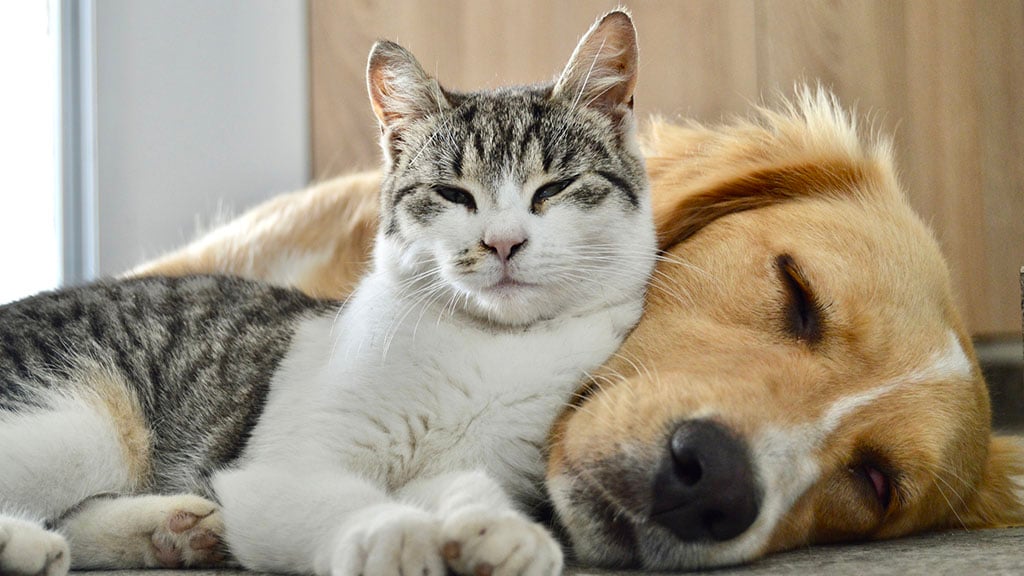
Australians love their pets. In fact, 73% of Australian households owned a pet as of March 2025, with ownership continuing to rise.1
In our survey of landlords, half of respondents told us they’d consider a ban on pets.2 Which is why tenants can find searching for a rental that welcomes their furry friends tough.
To make it clear when pets can (and can’t) move in, states and territories have been updating their rental laws.
What are the state-by-state rules for pets in rentals?
Here’s an overview of what the rules mean in practice, along with links to the guidance for each state and territory.
New South Wales
- As a landlord, you can set expectations in the tenancy agreement and decide whether to approve a tenant’s request to keep a pet.
- In most cases, tenants need your permission first, so think about your criteria like the number and size of pets.
- If the property is in a strata scheme, check the by-laws.
See rules for landlords and tenants in NSW.
Victoria
- If a tenant wants to keep a pet, you generally can’t say no. The Victorian process is designed so you either agree, or apply to refuse.
- To refuse, you’ll need to apply to VCAT and show a valid reason (for example, the property isn’t suitable for an animal).
See rules for landlords and tenants in Victoria.
Queensland
- In Queensland, tenants can ask to keep a pet, and landlords need to respond using the formal process.
- If you refuse, you’ll need to check the permitted grounds and respond within the set timeframe (otherwise the request may automatically be taken as approved).
See rules for landlords and tenants in Queensland.
Australian Capital Territory
- In the ACT, tenants can keep a pet, so as a landlord you’ll usually need a specific reason if you want to say no.
- If you want to refuse, you can apply to ACAT. Always check the current rules before responding.
See rules for landlords and tenants in the ACT.
South Australia
- In South Australia, tenants can ask to keep a pet, and you’ll need to consider each request rather than applying a blanket ban.
- If you refuse, you may need to lodge a response form. The link below outlines the current process.
See rules for landlords and tenants in South Australia.
Western Australia
- In WA, rental reforms around pets have been progressing. Check the latest guidance before you update your lease terms or respond to a request.
- If you’re working with a property manager, make sure you’re aligned on the process.
See rules for landlords and tenants in Western Australia.
Northern Territory
- In the NT, pet arrangements are often managed through the tenancy agreement.
- Strata rules may also apply for units.
See rules for landlords and tenants in the NT.
Tasmania
- In Tasmania, tenants can request to keep a pet, and you’ll need to consider the request and respond.
- If you refuse, you may need to provide your reasons in writing. Use the guidance below to check the process.
See rules for landlords and tenants in Tasmania.
Why more landlords are accepting pets
Having a pet-friendly rental not only keeps your tenants happy, it can make good business sense for landlords.
- More applicants: Pet-friendly homes often attract a bigger pool of renters.
- Longer tenancies: Many pet owners want to stay put as moving with a pet can be a challenge.
- Lower vacancy risk: When tenants stay longer, you’ll have fewer gaps between leases and less time with your property sitting empty.
- Less admin: Fewer inspections, reference checks and new lease set-ups.
Tips to make your property pet-friendly
Small, practical changes can help attract buyers with pets (without a renovation).
- Choose durable flooring: Hard floors are generally easier to clean – and if you have carpet, consider specifying professional cleaning at the end of the lease.
- Check fences and gates: Secure boundaries help keep pets safe (and appease neighbours).
- Consider a pet door: A simple cat/dog door can help reduce scratching at doors and flyscreens – and encourage pets outside.
Set expectations upfront
A clear process helps everyone. It can also make it easier to resolve issues early. You may want to consider adding the following to your lease:
- Whether a pet resume is required (photo, breed, references).
- Cleaning expectations at the end of the lease.
- How any pet-related damage will be repaired.
Check your insurance
If you’re going to allow cats and dogs (and other pets) in your investment property, it’s a good idea to check your insurance covers pet damage.
QBE Landlord Insurance has just won the Top Rated Landlord Insurance for 2026 award from Product Review, so that might be a good place to start.
QBE Landlord Insurance Get a quote
1 Pets in Australia: A national survey of pets and people | Animal Medicines Australia
2 Survey of 500 Australian landlords commissioned by QBE, April 2025