Lithium-ion batteries: Navigating explosive risks together
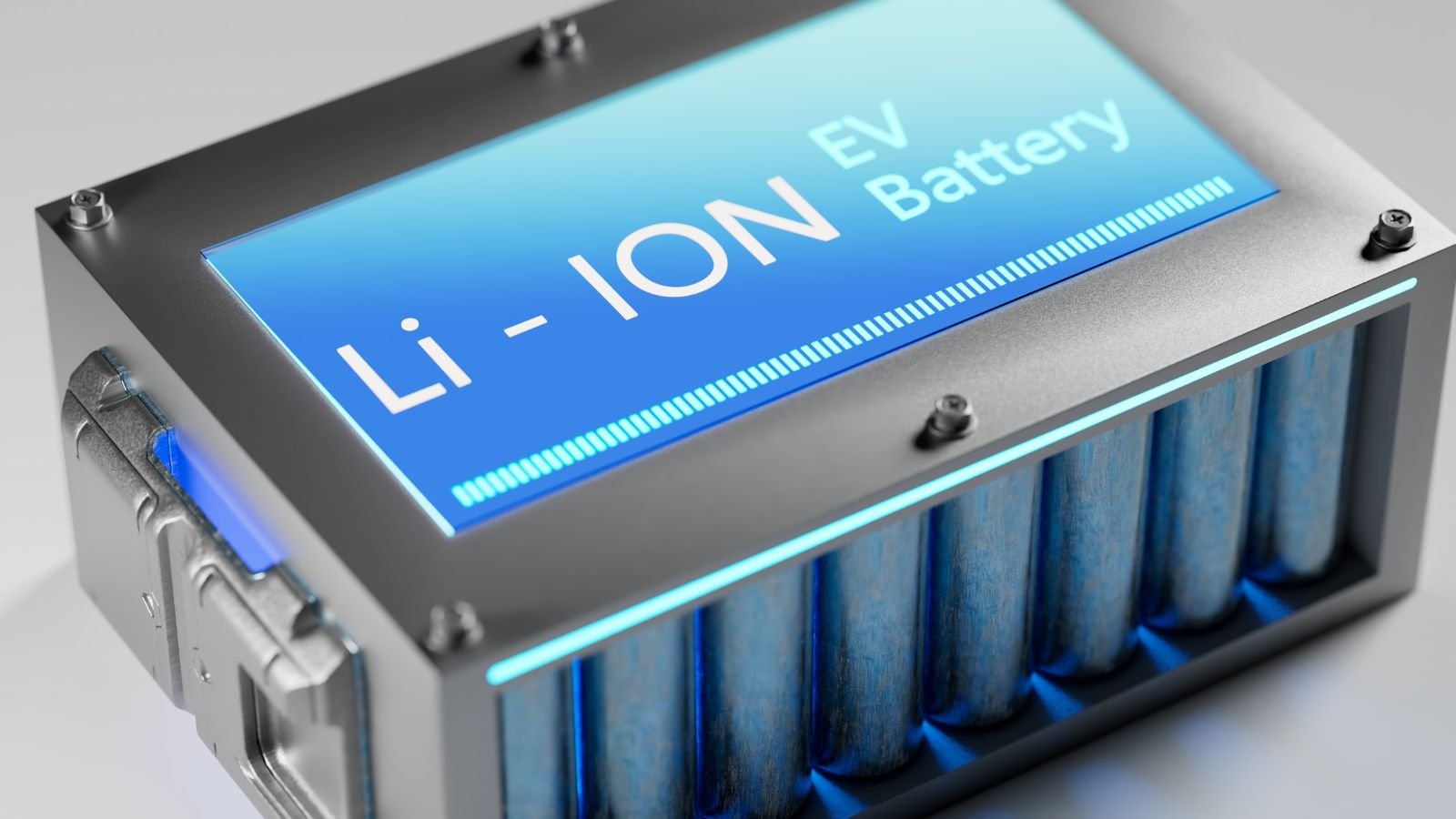
Lithium-ion batteries – often called li-ion batteries – are everywhere. They’re the most common type of rechargeable battery, powering everything from mobile phones and laptops to e-scooters and electric vehicles.1 But as their use grows, so do the risks.
Fires, product recalls and insurance claims linked to lithium-ion batteries are rising fast – making them an emerging risk for brokers and your clients. Here’s what you need to know to help your clients stay ahead and build resilience.
Why lithium ion battery fires are rising – and so dangerous
As lithium-ion batteries become more embedded in business operations – from warehouse robots and forklifts to power tools, laptops and more – the risks are increasing.
These batteries are compact, powerful and portable. Their performance is mostly reliable, but when things go wrong, the consequences can be significant. It’s their fire risk that’s drawing growing attention from regulators, insurers and risk managers.
Here’s what we’re seeing:
- Fire incidents are increasing: In NSW alone, lithium-ion battery fires doubled in two years, reaching 318 in 2024.2
- Claims are rising: QBE paid out more than $34 million in lithium-ion battery-related property claims in the 12 months to 1 August 2025.3
- These fires are complex: They often require specialist response and can reignite hours later.
- Business impact is broad: Fires can be fatal, damage property, disrupt operations, trigger product recalls, and lead to liability claims.
The underlying danger is thermal runaway – when a battery cell overheats and triggers a chain reaction that can cause fire, explosion and the release of toxic gases. The larger the battery, the greater the risk – including e-vehicles, e-scooters and e-mobility devices.
“Lithium-ion batteries have been in phones for a long time now, but it’s only now that regulations are coming into force,” said Manchu Mahalingam, Practice Lead of Liability Risk Management at QBE.
In NSW, regulatory requirements now exist around batteries in e-scooters and mobility devices. Things are beginning to catch up, but there’s still a long way to go,” he said.
Product safety risks: What brokers and importers need to know
Many lithium-ion battery systems are imported, sometimes with unclear safety certification. Under Australian law, importers may be held liable as manufacturers if they haven’t managed risks.
“In Australia, the vast majority of lithium-ion batteries used in products are imported from China,” said Mr Mahalingam.
“If a company imports batteries or battery-powered products directly from overseas, they assume the responsibilities of a manufacturer.
“They must do their due diligence to ensure safety. And they need to understand who’s responsible during transit and whether transport standards are being adhered to,” he said.
Which clients are most exposed?
Any client who manufactures, imports, sells, stores or uses lithium-ion battery products faces risk. Higher risk exposure groups may include:
- Importers, manufacturers and assemblers, particularly those directly importing from overseas
- Distributors, retailers, and warehouses with large inventories of lithium-ion battery products
- Transport companies moving batteries or battery-powered assets by land, sea or air
- Businesses using high volumes of lithium-ion battery and charger equipment.
Tip for brokers – start risk conversations by asking:
- Do they use or sell lithium-ion batteries?
- If so, where and how do they source lithium-ion batteries?
- Are they servicing or repairing batteries?
- What are their battery charging and storage practices?
Common causes of lithium ion battery and charger failure
High-profile losses often link back to preventable issues. Common causes include:
- Using the wrong lithium ion battery charger or overcharging devices
- Battery damage from being crushed or dropped
- Faulty batteries from poor manufacturing or lack of post-arrival safety testing
- Exposure to high heat, moisture or fire from another source
- Charging near flammable materials or in poorly ventilated rooms.
Lithium ion battery safety: 3 smart steps to reduce risk
As a broker, you’re in a unique position to help clients understand their exposures, improve risk controls and ensure their insurance reflects the real-world risks they face.
Here’s a simple 3-step checklist you can share with your clients to help manage lithium-ion risks, and protect people, property and operations.
1. Source from reputable suppliers
-
Buy certified batteries and devices from trusted suppliers.
To make sure a supplier is trustworthy, do your due diligence. Use a supplier pre-approval checklist that covers things like past defects, defect rates, safety testing documentation and certification, and the quality assurance processes they follow.
“As a minimum, we ask for cell-level testing (single or multi cell) which covers short circuit, overcurrent protection, impact protection and so on,” said Mr Mahalingam.
-
Check for safety standards like IEC 62133, IEC 62619 and AS/NZS 5139.
“Most batteries come with a BMS. If a lithium-ion battery doesn’t have a battery management system, that’s an immediate red flag,” Mr Mahalingam said.
“BMS technology helps detect misuse, tampering or incorrect charging – and underwriters are increasingly looking at whether it’s in place when assessing risk,” he said.
2. Test and check before use
-
Set up a testing approach with acceptable quality limits (AQLs) or conduct randomised testing through accredited labs when new shipments arrive.
“If you notice an increase in defective batteries or the batteries cause even small fires, you need to closely monitor the situation, communicate with the manufacturer, increase your battery testing regime and potentially start a product recall,” said Mr Mahalingam.
- Inspect batteries regularly for swelling, dents or leaks – and remove damaged ones immediately.
3. Dispose responsibly and keep your records
- Never throw batteries in general waste.
-
Use certified recycling or hazardous goods disposal partners.
Keep records of battery serial numbers and batches for product traceability. This allows you to determine what batches could be affected and to instigate a recall, if needed.
Insurance considerations for lithium-ion battery risk
We expect lithium-ion battery use to keep growing. As your future-focused risk partner, we encourage you to factor the following insurance considerations into your client conversations:
- Expect deeper underwriting questions and, in some markets, tighter terms for high‑risk profiles
- Cover may span multiple policies: public/products liability, property, marine cargo/transit and product recall
- Providing complete and credible risk information helps us offer better coverage and pricing.
Protect your clients with confidence
Speak with your QBE Broker Manager about the right cover for lithium-ion exposures.
With QBE, you benefit from:
- Comprehensive protection – through our Business Packages, General Liability and Commercial Property cover
- Tailored support and risk solutions from experienced underwriters and claims teams who understand your clients’ needs
- Trusted expertise, built on 140 years of insurance leadership.
Your trusted partner in emerging risks
As a broker, you work hard to find the best cover solutions for your clients. As your risk and resilience partner, we’re here to support you with practical insights and expert guidance.
To learn more about lithium-ion battery risk – and other emerging liability risks:
- Watch the Emerging Risks in the Liability Market webinar
- Contact your QBE Broker Manager.
1 Lithium-ion batteries guide | ACCC Product Safety, accessed on 11 August 2025
2 Spate of lithium-ion fires and NSW Government survey sparks community wakeup call on battery risks – Sydney – Fire and Rescue NSW, accessed on 12 August 2025
3 QBE Property claims insights, as at 1 August 2025.