How to manage mould in your home
Australia’s seasonal wet weather, storms and humidity will leave many households facing an unwelcome guest: mould. The risk is more common after heavy rain or flooding.
Mould not only looks unsightly – it has the potential to affect your health. But, we’re at the heart of helping you manage mould with a few practical tips to keep your home safe, dry, and mould-free.
Why mould is a growing problem
Mould is a fungus that thrives in damp, poorly ventilated environments. Left unchecked, it can damage walls, carpets, and furniture, and trigger health issues like allergies, asthma, and respiratory infections.
Reports have highlighted the scale of the problem, with some homes so badly affected that residents have been forced to move out.1
Health risks of mould
While some people experience mild symptoms, mould could be dangerous for the elderly, children, and those with weakened immune systems or respiratory conditions.2
Symptoms can include sneezing, coughing, skin irritation, and in severe cases, lung infections. If you or a family member experiences persistent health issues, it’s best to seek medical treatment.3
How to remove mould safely
If you spot mould, act quickly. The sooner you address it, the less likely it’ll become a major problem.
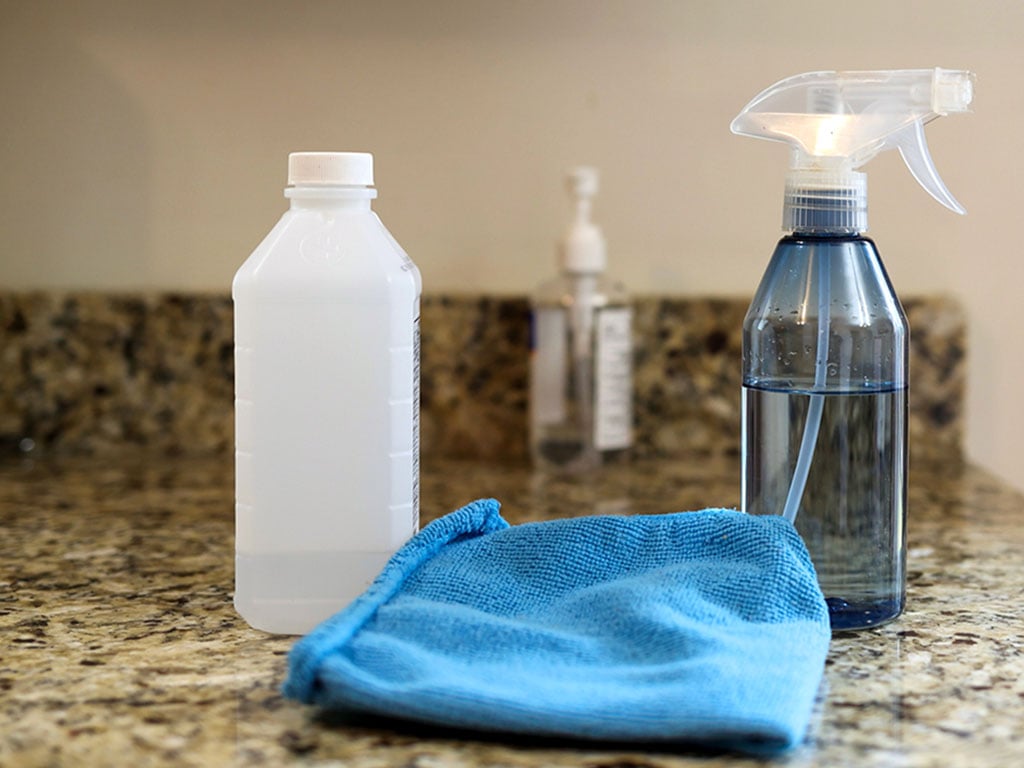
What you’ll need:4
- Mix a solution of three parts white vinegar and two parts water
(or buy mould cleaner from the supermarket – follow instructions carefully) - Have microfibre cloths at hand – a few for cleaning, a couple for wiping dry
- Wear protective gloves and a P1 or P2 mask.
Steps to remove mould
- Don’t dry brush mould. This can release spores into the air and spread the problem.
- Spray the affected area with a white vinegar solution and leave for 10-15 minutes. You can also use a commercial detergent.
- Use microfibre cloths to clean the surface. Change cloths often to avoid spreading spores.
- Dry area completely to prevent regrowth.
For more information, access full resources on how to treat mould.
Note: Bleach is not recommended for most household mould, as it may only whiten the mould without killing it, allowing it to return.5
If carpets, soft furnishings, or other items are heavily affected and can’t be cleaned, consider discarding them.
When to call in the experts
If mould covers an area greater than one square metre, keeps returning, or is caused by structural issues or flooding, it’s best to seek professional help. If you’re renting, report mould issues to your landlord or property manager promptly.
For QBE customers, support is available for those affected by natural disasters or persistent mould issues. Download information or call us on 133 723.
How to prevent mould in your home
Prevention is always better than cure, so here’s a few ways to help keep mould at bay.6
1. Control moisture and humidity
- Open windows and doors regularly to let fresh air circulate, especially after showers, cooking, or using a clothes dryer.
- Use exhaust fans in bathrooms, laundries, and kitchens to remove steam and moisture.
- Wipe away condensation from windows and walls. Dry wet clothes and shoes before storing them.
- Repair leaking taps, pipes, or roofs as soon as possible to prevent dampness.
- Open curtains and blinds during the day to allow sunlight in to help dry out damp areas.
2. Keep your home clean and dry
- Clean bathrooms, kitchens, and laundries regularly. Wipe down tiles and other wet surfaces to remove soap scum and moisture.
- Avoid stacking boxes or furniture against walls, especially in rooms that don’t get much sun.
- Place moisture-absorbing products available from supermarkets and hardware stores in wardrobes, cupboards, and under sinks.
3. Maintain your property
- Check your home regularly for mould and look for signs of dampness.
- Inspect your home for broken tiles, blocked gutters, or poor drainage that could let water in.
- Ensure your home is well-insulated and ventilated to reduce condensation, especially in newer, airtight homes.7
Mould can be managed when you have the knowhow. By taking simple steps to keep your home dry and well-ventilated, you can protect your property and your family’s health.
Another way to safeguard you home from the unexpected is by having the right home insurance in place.
Learn about QBE home insurance or get a quote
1 Australia’s mould crisis: The suburbs most at risk – realestate.com.au
2 Ways to prevent and get rid of mould in your home – ACT Government Transparency Portal
3 Ways to prevent and get rid of mould in your home – ACT Government Transparency Portal
4 Mould and damp | Housing | Queensland Government
5 Ways to prevent and get rid of mould in your home – ACT Government Transparency Portal
6 Preventing mould in your public housing home | NSW Government
7 Mould Crisis in Oz Homes: Understanding a Condensation Issue | Constructor