What insurance do I need for my apartment?
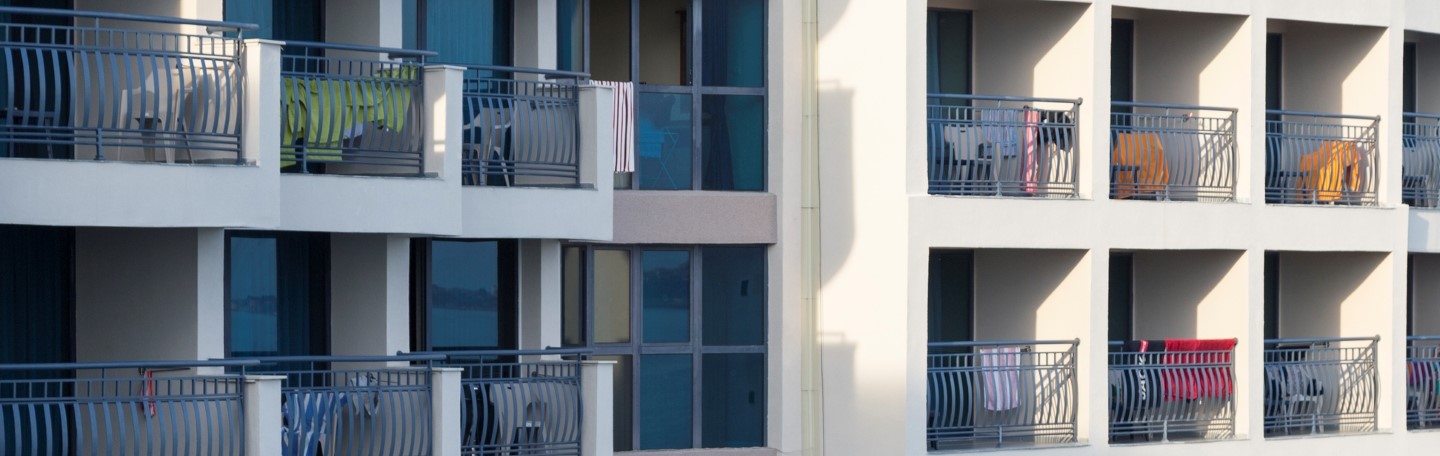
- Whether you rent or own your apartment, it may be worth considering contents insurance
- Contents insurance could potentially cover your belongings for theft and damage
- Consider extras, such as Accidental Damage and Portable Contents options
Apartment living in Australia has become increasingly attractive over the past few decades. At the last count, there were more than 1.7 million apartments in the country.1 And with a national vacancy rate of just 1.13%, rental properties are in high demand.
Apartment living offers many advantages, but from an insurance perspective it’s a different proposition to living in a freestanding house.
So, do you need insurance for your apartment if you’re renting? And do you need insurance for your apartment if you’re an owner occupier? Here’s what you need to know.
Related article: Does renters insurance cover that? 10 FAQs answered
.png?rev=4e6e29f8014242618550e909ba9a02be)
How does insurance for apartments work?
If you own an apartment, you’re probably part of a strata, which collectively owns the building. That means the insurance for the physical structure of the apartment is likely to be covered as part of the strata fees you pay.2
While each state and territory has different legislative requirements, in most cases this means you won’t need to take out a policy to cover your home’s structure. If you’re not sure, check with the body that manages your property.
Similarly, if you’re a renter, the building’s landlord is generally responsible for insuring it.
Cover for the contents in your apartment, however, is something the individual owner occupier or renter would arrange. Contents insurance can cover your belongings, and things like internal blinds, curtains and carpets if you own them.
So, whether you own or rent an apartment, consider contents insurance if you want to insure your belongings.
Why do you need contents insurance if you’re living in an apartment?
Contents insurance can cover belongings for an insured event that leaves them damaged or lost – for example, water damage, fire, flood, storm or cyclone.
It also covers theft and damage caused by malicious acts. This is an important consideration, even though it might seem apartments offer more security. It’s important to avoid becoming complacent.
Importantly, contents insurance usually also includes legal liability. That means it can cover you for the legal costs associated with an approved claim if an accident happens in your apartment or anywhere in the world – like if someone trips over your child’s toys and injures themself and you’re found liable.
Related article: This one simple tip could save your home from water damage
.png?rev=cbb720063f0b46138d2b7c145ecf3dae)
Do you need any extra cover?
Whether you’re a renter or an owner, many contents insurance policies have other benefits you may not have considered. For example, new-for-old replacement on most items, or capped payment towards the cost of replacing spoiled food if there’s a mechanical or electrical breakdown of your fridge or freezer.
Plus, for an additional premium you can also add extras, such as accidental damage and portable contents options.
Accidental damage can cover things such as knocking a bottle of red wine over the carpet, or a tin of paint over your new sofa. While portable contents cover can insure things like mobile phones and engagement rings while you’re away from your home.
Learn about QBE Contents Insurance and get a quote.
1 Australian Bureaus of Statistics: An experimental snapshot of Australia’s housing using administrative data – 30 June 2021
2 Statista – Rental property vacancy rates in selected cities in Australia in December 2023